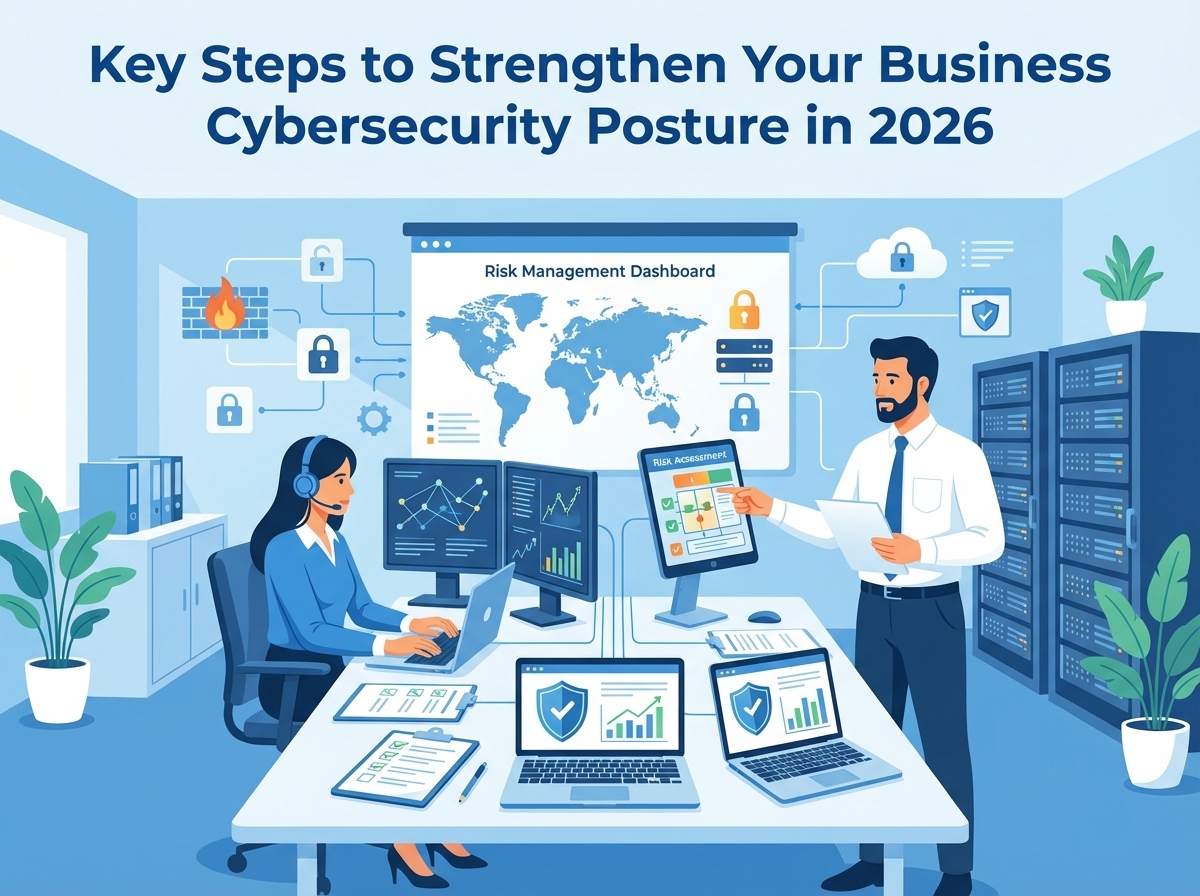
2026 Cybersecurity Playbook: 12 Key Steps To Strengthen Your Business Posture
Cyber threats are evolving faster than most small businesses can keep up. If your security steps haven’t changed since last year, your defenses might already have gaps. This playbook lays out 12 clear actions to strengthen your cybersecurity posture in 2026 using proven frameworks like NIST CSF 2.0 and CIS Controls v8. Read on to see how Degarmo Technologies can help you build a resilient defense with managed IT services tailored for your needs. For more insights, check out this article.
Strengthening Cybersecurity with Proven Frameworks
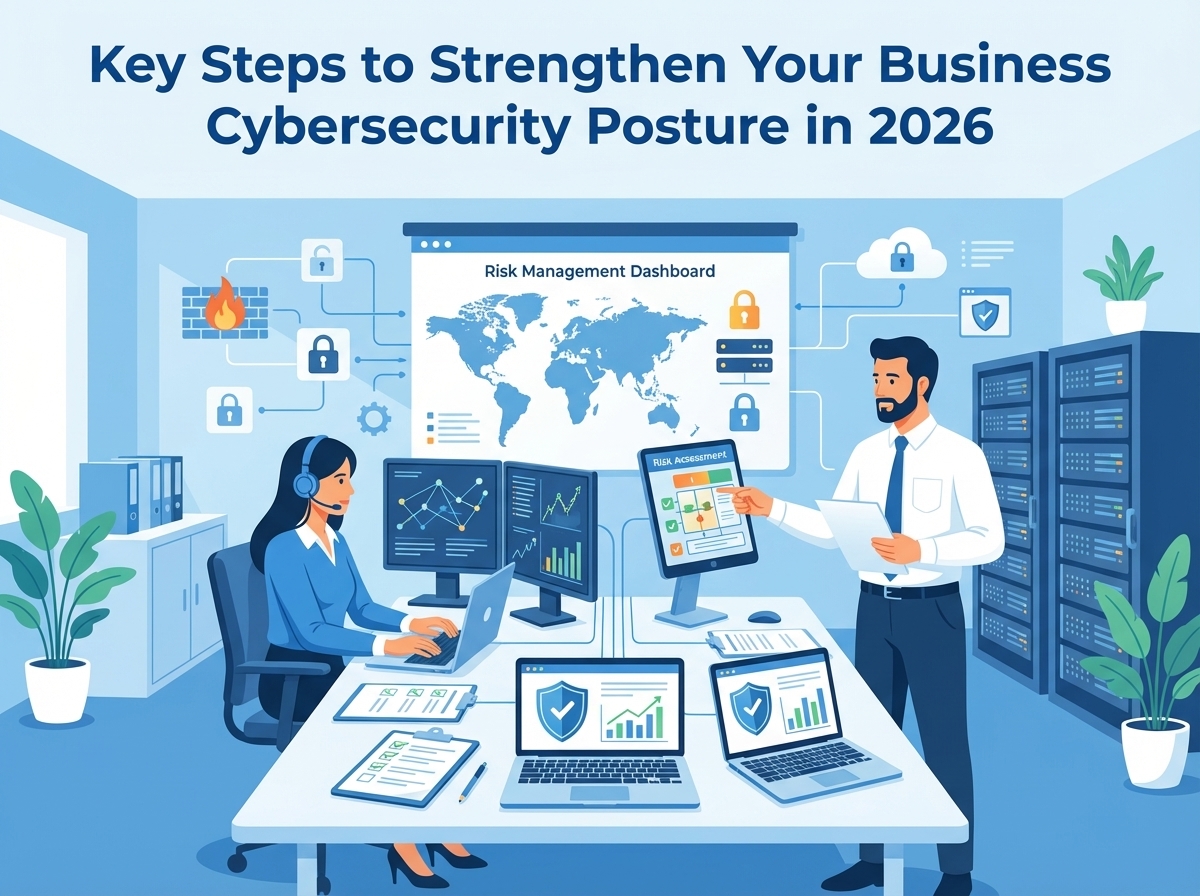
You might think your current security measures are enough, but 2026 brings new challenges. Let’s dive into key frameworks that will bolster your defenses.
Understanding NIST CSF 2.0 and CIS Controls v8
The NIST CSF 2.0 and CIS Controls v8 offer foundational steps for cybersecurity. These frameworks are essential, providing a structured approach to manage cyber risks. The NIST CSF focuses on identifying vulnerabilities, protecting assets, and detecting threats. Its systematic method helps you respond to and recover from incidents swiftly. Meanwhile, the CIS Controls v8 offers specific actions to harden your environment. These controls are practical: they guide you through steps like regular software updates and multi-factor authentication (MFA) for secure access. By implementing these, you minimize risks significantly. Remember, the key is consistency. Regular assessments ensure your defenses stay strong. Most businesses overlook this, but routine checks are crucial. When you align with these frameworks, your security posture becomes resilient, safeguarding your operations effectively.
Zero Trust Architecture for Enhanced Security
Imagine an environment where every access request is scrutinized. That’s the essence of Zero Trust. This model challenges the traditional “trust but verify” approach. Instead, it operates on “never trust, always verify.” With Zero Trust, every user and device is authenticated, whether inside or outside your network. This reduces the risk of unauthorized access. Moreover, segmenting your network limits the potential damage if an intruder gets in. It’s like having multiple locked doors within your office. Even if one door is breached, others remain secured. This layered security ensures threats are isolated quickly. Transitioning to Zero Trust might seem daunting, but the benefits are worth it. By implementing this architecture, you enhance your security, protecting sensitive data and maintaining trust with your clients. In today’s world, where breaches are common, Zero Trust is not just an option, but a necessity.
Identity and Access Management Best Practices
Identity and Access Management (IAM) is crucial for security. It ensures the right individuals access the resources they need. Start with strong passwords and MFA. These simple steps drastically reduce unauthorized access. Privileged access management is also vital. Limit admin roles to essential personnel only, minimizing potential insider threats. It’s like having a master key: not everyone should have it. Regular audits of access rights ensure compliance and identify anomalies. This proactive approach keeps your systems secure. Remember, IAM is not a one-time setup. Continuously review and update policies as roles change. This adaptability ensures your security measures align with evolving threats. By prioritizing IAM, you protect your assets and maintain operational efficiency.
Key Managed Security Services for 2026
As we explore further, having robust security services becomes vital. These services act as the backbone of a secure IT environment.
24/7 SOC Monitoring and SIEM Log Management
Imagine having a dedicated team watching over your systems around the clock. That’s what a 24/7 Security Operations Center (SOC) provides. They monitor for threats and respond immediately, reducing potential damage. SOC teams utilize SIEM (Security Information and Event Management) systems to analyze logs and identify anomalies. This proactive approach ensures threats are detected early. Most businesses think they’re safe without such monitoring, but the reality is different. Cyber threats can occur anytime, and without 24/7 vigilance, you leave your data vulnerable. SOC and SIEM together form a powerful security duo, offering peace of mind and allowing you to focus on your core operations.
EDR, MDR, and XDR Platform Solutions
Endpoint Detection and Response (EDR) solutions protect devices from threats. They monitor, detect, and respond to potential risks. Managed Detection and Response (MDR) enhances this by adding expert analysis, helping identify sophisticated attacks. For comprehensive coverage, consider Extended Detection and Response (XDR). XDR unifies data across various security layers, offering a holistic view. This integration ensures threats are identified quickly. With these platforms, you’re not just reacting to threats but preventing them. It’s about staying ahead, ensuring your systems remain secure. Businesses often underestimate the power of these solutions, but they are crucial for maintaining a robust security posture.
Vulnerability and Patch Management Essentials
Regularly updating systems might seem basic, but it’s vital. Patch management ensures your software stays protected against known vulnerabilities. It’s like fixing a leaking roof before a storm hits. Vulnerability assessments identify weak spots, allowing you to address them proactively. Many businesses skip these assessments, assuming their systems are secure, but this leaves them exposed. By prioritizing vulnerability and patch management, you reduce the risk of breaches significantly. Routine updates and assessments keep your environment secure and your operations running smoothly.
Building Resilience with Comprehensive Protection
The next step is about creating a safety net. With comprehensive protection, you ensure long-term security and peace of mind.
Ransomware Protection and Phishing Prevention Training
Ransomware attacks can cripple businesses. Protection against these threats is crucial. Implementing anti-ransomware tools is a start, but training your staff is equally important. Most breaches occur due to human error, particularly through phishing. Regular training empowers employees to recognize and avoid phishing attempts. It’s about turning your staff into the first line of defense. By investing in both protection and training, you safeguard your business from costly disruptions.
Cloud Security Best Practices and Data Backup
The cloud offers many advantages, but it comes with security challenges. Adopting cloud security best practices ensures your data remains safe. Encrypt sensitive information and control access strictly. Regularly back up data to prevent loss during downtime. Businesses often neglect backups, assuming their cloud provider handles it. However, ensuring you have redundant backups guarantees data recovery in emergencies. By taking these steps, you maintain data integrity and availability, even in unexpected situations.
Incident Response Planning and Risk Governance
No system is immune to breaches, but how you respond matters. An incident response plan outlines steps to take during a cyber incident, minimizing damage. It’s crucial to test this plan regularly, ensuring everyone knows their role. Risk governance involves understanding potential threats and implementing measures to mitigate them. This proactive approach ensures your business remains resilient. Most assume they’re prepared for incidents, but without a solid plan, response efforts can be chaotic. By focusing on incident response and risk governance, you not only protect your assets but also maintain trust with clients.
In conclusion, strengthening your cybersecurity posture in 2026 involves a multi-faceted approach. By adopting these frameworks, investing in key services, and implementing best practices, you ensure your business remains secure and resilient. Remember, proactive measures are key to staying ahead of evolving threats.