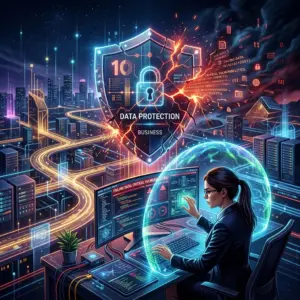
How to Build a Security-First IT Strategy for Small and Mid-Sized Businesses
Most small and mid-sized businesses face cyber threats without a clear defense plan. Ignoring a security-first IT strategy leaves your data and reputation at risk. This guide breaks down how to build a strong foundation using proven tools like NIST CSF, Zero Trust, and MFA to protect your business effectively. For more information, you can refer to this guide.
Building a Security-First IT Strategy

Creating a security-first IT strategy is crucial for safeguarding your business. Let’s explore why cybersecurity is essential and how managed services can help.
Importance of SMB Cybersecurity
Cybersecurity isn’t just for big corporations. Small and mid-sized businesses (SMBs) are frequent targets too. Cyber threats can damage your reputation and drain your resources. Studies show that 60% of small businesses face closure within six months of a cyber attack. Protecting your business is not just an option; it’s a necessity.
Role of Managed IT Services
Managed IT services can be your best ally. They offer expertise and continuous monitoring. By outsourcing IT management, you focus on core business operations while experts handle the tech. This approach not only saves time but also reduces costs associated with hiring full-time IT employees. With a trusted partner like Degarmo Technologies, your IT infrastructure stays secure and efficient.
Managed Security Services Explained
Managed security services provide a shield against cyber threats. They cover everything from threat detection to rapid response. These services ensure your business is protected 24/7, allowing you to operate with confidence. Imagine having a team dedicated to securing your data and systems without the overhead of managing it yourself. This is the power of managed security services.
Core Elements of a Security-First Strategy

Building a security-first strategy involves understanding key frameworks and tools. Let’s look into the core elements that form the backbone of robust cybersecurity.
Understanding NIST CSF and CIS Controls
The NIST Cybersecurity Framework (CSF) and CIS Controls provide guidelines to strengthen your security posture. NIST CSF outlines best practices for identifying and responding to cyber threats, while CIS Controls offer a prioritized set of actions. Implementing these frameworks helps you manage cyber risks effectively.
Implementing Zero Trust and MFA
Zero Trust is a security model that requires verification for all users, insiders and outsiders. It minimizes the risk of breaches by assuming every request is a potential threat. Multi-Factor Authentication (MFA) adds another layer of security. By requiring more than one form of verification, it significantly reduces unauthorized access.
Utilizing EDR and SIEM
Endpoint Detection and Response (EDR) and Security Information and Event Management (SIEM) are critical tools. EDR focuses on detecting and responding to threats at endpoints like computers and servers. SIEM, on the other hand, aggregates and analyzes data from multiple sources to identify and respond to incidents. Together, they provide comprehensive protection.
Enhancing Cyber Resilience

To strengthen your cyber resilience, consistent monitoring and proactive measures are key. Here’s how you can enhance your defenses.
Importance of 24/7 Monitoring
Constant vigilance is essential in cybersecurity. 24/7 monitoring means threats are detected and addressed immediately. This rapid response minimizes damage and keeps your systems running smoothly. By investing in continuous monitoring, you ensure that potential threats are caught before they can cause harm.
Ransomware Protection and Backup
Ransomware attacks can be devastating. The best defense is a solid backup strategy. Regularly backing up data ensures that you can recover quickly if an attack occurs. Additionally, having a robust ransomware protection plan in place can prevent your data from being held hostage.
Ensuring Cloud Security and Compliance Management
With the rise of cloud computing, securing your cloud environment is crucial. Ensure that your cloud provider follows strict security protocols. Compliance with standards like HIPAA or PCI DSS is also necessary to protect sensitive information. A proactive approach to cloud security and compliance management safeguards your business from potential risks.
By following these steps, you build a resilient, security-first IT strategy that protects your business and its future. Remember, the longer you wait to strengthen your cybersecurity, the greater the risk. Start now and secure your path forward.