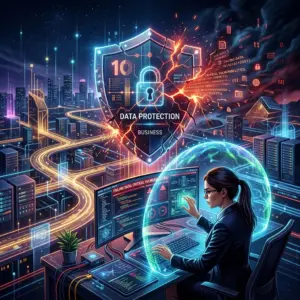
Security-First IT: A Practical Blueprint for Small and Mid-Sized Businesses
Small and mid-sized businesses face more cyber threats every year. Without a security-first IT strategy, risks multiply quietly until they hit hard. In this post, you’ll get a clear blueprint to build a strong defense using proven practices like risk assessment, zero trust, and multi-factor authentication. Let’s cut through the noise and give your business a reliable, manageable path to cyber resilience. For more insights, check out this link.
Building a Security-First IT Strategy

Importance of SMB Cybersecurity
Cyber threats target businesses of all sizes. Small and mid-sized businesses, often lacking robust defense systems, are particularly vulnerable. Without proper measures, a simple breach can lead to significant financial loss and damage to reputation. Prioritizing cybersecurity protects your assets and ensures business continuity. Strengthening your defenses means you can focus on growth rather than recovery.
Key Components of a Security-First Approach
A strong IT strategy begins with understanding critical elements. Identifying these components helps you build a reliable defense. Start by implementing policies and controls to protect your data and systems. This structure not only safeguards your business but also builds trust with clients and partners. Knowing your vulnerabilities allows you to address them before they can be exploited.
Aligning IT with Business Goals
Your IT strategy should support your business objectives. A security-first approach ensures your technology not only protects but also enhances business functions. Aligning IT with your goals helps streamline operations, improve efficiency, and drive growth. With the right strategy, technology becomes a tool for achieving success rather than an obstacle.
Core Elements of Cybersecurity for SMBs

Risk Assessment and Zero Trust
Risk assessment is the foundation of cybersecurity. Begin by identifying potential threats and assessing their impact on your business. This process helps prioritize areas needing immediate attention. Applying the Zero Trust model means verifying every request as though it originates from an open network. This approach limits access, ensuring only authorized users can interact with sensitive data, reducing the risk of breaches.
Implementing Multi-Factor Authentication
Multi-factor authentication (MFA) is essential for protecting sensitive information. It requires users to provide two or more verification factors to gain access to resources. This extra layer of security makes it harder for unauthorized users to access your systems. Even if one credential is compromised, attackers face an additional hurdle. Implementing MFA can significantly reduce the risk of unauthorized access.
Endpoint Protection and Patch Management
Securing endpoints like laptops and smartphones is crucial. Endpoint protection defends against threats targeting these devices. Regular patch management is equally important. Keeping software up-to-date ensures vulnerabilities are addressed promptly, reducing the risk of exploitation. Neglecting these areas can leave your business open to attacks, but proactive management keeps your systems secure.
Managed IT and Security Services

Benefits of Managed IT Services
Managed IT services offer several advantages for small businesses. By outsourcing IT needs, you gain access to expert knowledge and technology without the overhead of maintaining an in-house team. These services provide continuous monitoring and support, ensuring your systems operate smoothly. With experts handling your IT, you can focus on core business activities.
Role of Managed Security Services
Managed security services provide an additional layer of protection. These services monitor your network around the clock, detecting and responding to threats in real-time. This proactive approach significantly reduces the risk of data breaches. With managed security, you gain peace of mind, knowing your business is protected by professionals dedicated to keeping your data safe.
Data Protection and Backup Solutions
Data protection is a critical component of any IT strategy. Implementing robust backup solutions ensures your information is safe from loss or corruption. Regular backups allow you to recover quickly from any disruption, minimizing downtime. This resilience is vital for maintaining customer trust and business continuity. Protecting your data is not just a necessity; it’s a strategic advantage.
For more detailed strategies on small business cybersecurity, check out this external resource.
By integrating these elements into your IT strategy, you align your business with best practices, ensuring robust protection against evolving threats. Building a security-first approach is not a one-time task but an ongoing commitment to safeguarding your business’s future.