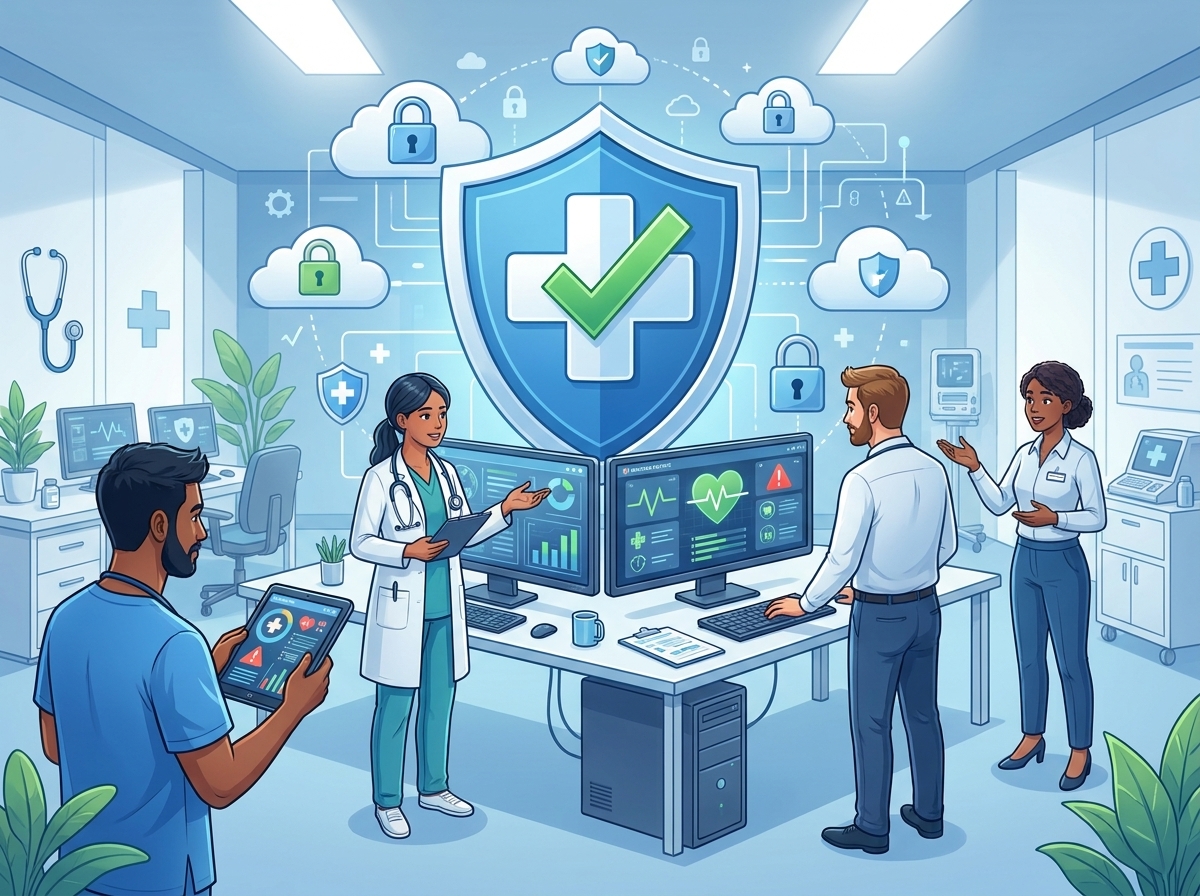
AMN Healthcare IT faces tough challenges securing a workforce spread across many locations. Protecting PHI while meeting HIPAA rules demands constant vigilance and expert support. Degarmo Technologies offers healthcare staffing IT security designed to keep your systems safe, compliant, and ready for audits. In this post, you’ll learn key priorities for cybersecurity and how managed IT services streamline your security efforts.
Securing Dispersed Healthcare Workforces
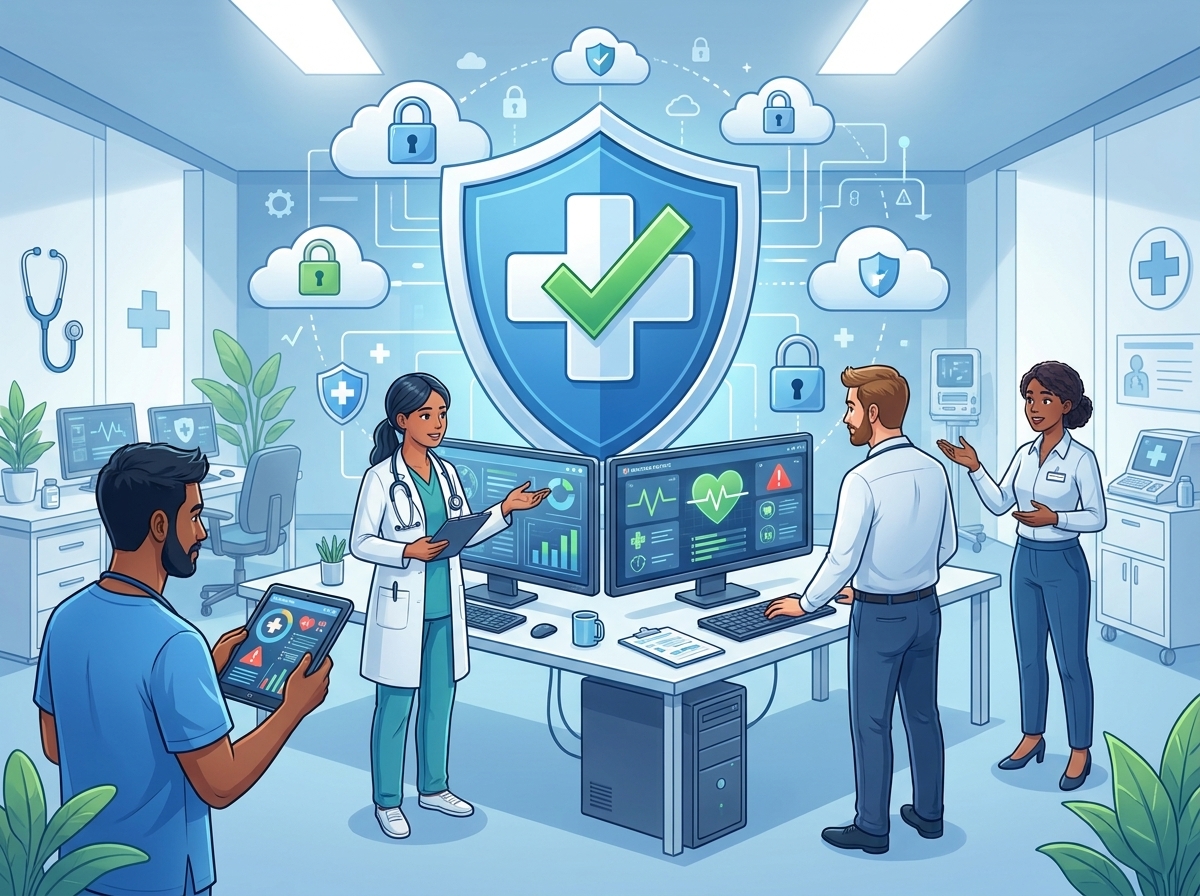
Healthcare staffing presents unique security challenges. Ensuring protection for sensitive data across multiple sites requires specialized strategies. Let’s explore how you can safeguard your healthcare staffing operations.
Protecting PHI in Healthcare Staffing
Protecting patient data is crucial for healthcare staffing. PHI breaches can lead to severe consequences. To keep data secure, you need to focus on strong encryption and access controls. Encryption protects data at rest and in transit, while access controls ensure only authorized personnel can view sensitive information. Regular audits can help identify vulnerabilities and ensure compliance with security standards. Learn more about protecting PHI at AMN Healthcare.
Meeting HIPAA with Managed Services
HIPAA compliance is a top priority for healthcare providers. Managed services can streamline this process. By leveraging these services, you gain access to experts who monitor your systems for compliance, reducing the risk of violations. Managed services also provide continuous updates to your security protocols, ensuring they meet evolving regulatory requirements. With a managed service provider, you can focus on patient care, knowing your compliance needs are in expert hands. Find out how AMN Healthcare meets HIPAA standards.
IT Solutions for Remote Clinicians
Remote work is now commonplace in healthcare. Providing secure IT solutions for remote clinicians is essential. Virtual Desktop Infrastructure (VDI) offers a secure platform for remote access to critical systems. Through VDI, clinicians access patient data safely without storing information on personal devices. This reduces the risk of data breaches and ensures compliance with security standards. Implementing VDI can significantly enhance your remote work capabilities while maintaining security.
Cybersecurity Strategies for Healthcare Staffing

Effective cybersecurity strategies are essential to protect your healthcare staffing operations. By implementing the right measures, you can minimize risks and ensure data security across your organization.
24/7 SOC Monitoring for Healthcare
Round-the-clock Security Operations Center (SOC) monitoring is vital. It provides real-time threat detection and response, crucial for protecting sensitive data. A 24/7 SOC can identify potential threats before they escalate, ensuring quick mitigation. With continuous monitoring, you gain peace of mind knowing your systems are under constant surveillance. This proactive approach is a key element in safeguarding your healthcare operations from cyber threats. Explore 24/7 SOC solutions for healthcare.
EDR and SIEM Implementation
Endpoint Detection and Response (EDR) and Security Information and Event Management (SIEM) are crucial for comprehensive security. EDR provides visibility into all endpoints, detecting threats across devices. SIEM collects and analyzes data from various sources to identify suspicious activities. Together, they create a robust security framework, allowing you to respond swiftly to incidents. Implementing EDR and SIEM enhances your ability to protect sensitive data and maintain compliance.
Zero Trust Approach in Healthcare
Adopting a Zero Trust security model ensures enhanced protection. This approach assumes no implicit trust, verifying every request before granting access. With Zero Trust, you continuously authenticate users, ensuring only authorized personnel access sensitive data. This model significantly reduces the risk of unauthorized access and data breaches. Implementing Zero Trust in your organization strengthens your security posture and protects patient information.
Enhancing IT Management in Healthcare Staffing
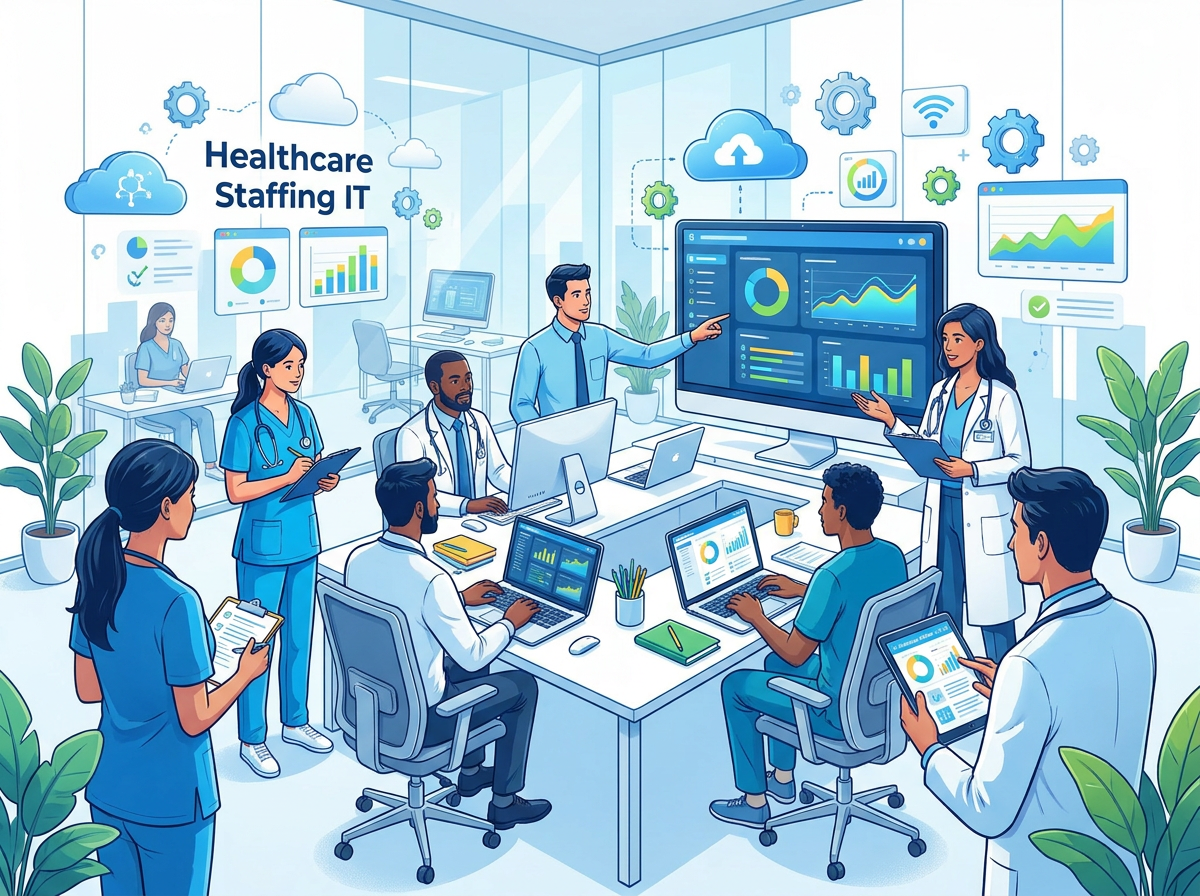
Improving IT management is essential for effective healthcare staffing. By enhancing your IT systems, you can ensure smooth operations and secure data management.
M365 Hardening and Secure VDI
Securing Microsoft 365 environments is crucial for protecting your data. Hardening M365 involves configuring settings to reduce vulnerabilities and enhance security. Secure VDI provides a controlled environment for remote access, ensuring data is not stored on local devices. Together, they offer a comprehensive solution for safeguarding your IT infrastructure. By implementing these measures, you enhance your data protection and support secure remote work.
Endpoint Management for Clinicians
Effective endpoint management is vital for maintaining security across devices. With endpoint management, you can monitor and control access to your network, ensuring only secure devices connect. Regular updates and patches protect against vulnerabilities, while remote wipe capabilities safeguard data in case of device loss. Implementing robust endpoint management ensures data security and compliance with regulatory standards.
Vendor Risk Management and NIST CSF Compliance
Managing vendor risks is a key component of healthcare IT security. By ensuring vendors comply with security standards, you mitigate potential risks to your systems. The NIST Cybersecurity Framework (CSF) provides guidelines for managing cybersecurity risks. Implementing NIST CSF ensures a structured approach to risk management, enhancing your overall security posture. By focusing on vendor risks and compliance, you protect your operations and maintain trust with patients. Learn more about vendor risk management in healthcare.
Incorporating these strategies and solutions can significantly enhance your healthcare staffing operations. By focusing on security and compliance, you ensure the protection of sensitive data and support the efficient functioning of your organization.